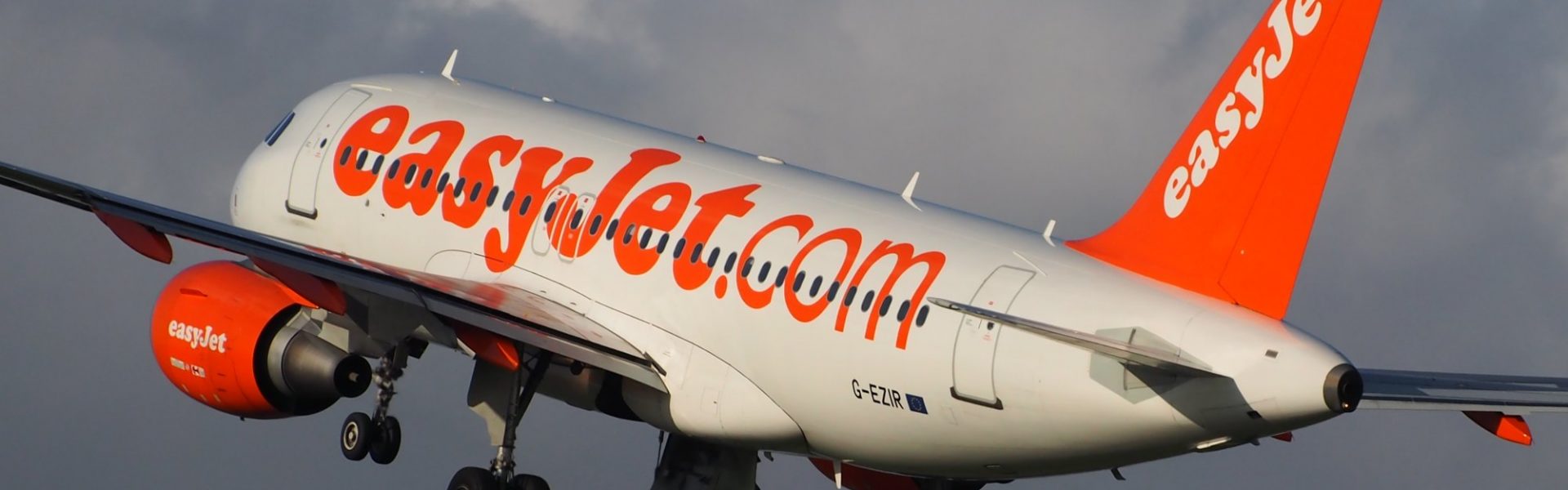
Apollo’s £5.7bn easyJet deal sets up a new contest in European budget travel

EasyJet’s planned £5.7 billion takeover by Apollo Global Management could reshape competition in Europe’s low-cost airline market, placing new pressure on the carrier to expand without losing its price-focused identity.
Apollo has agreed to pay £7.15 per easyJet share, equivalent to about $7.7 billion for the airline. The agreement followed the withdrawal of rival bidder Castlelake, leaving the U.S. investment group in position to complete the transaction subject to shareholder and regulatory approval.
EasyJet’s share price has risen sharply since takeover discussions began. Once the board backed the offer and Castlelake stepped away, a sale to Apollo became the most likely outcome.
Growth plan faces a demanding market
Apollo says it views easyJet as one of the most attractive businesses in global aviation. The investment group is expected to focus on growing the fleet and route network, while examining loyalty programmes and more premium or business-oriented services that could increase revenue beyond basic ticket sales.
The approach would keep easyJet in the budget sector while attempting to broaden its appeal. Operating outside the public market could give management more room to invest without the same pressure of frequent earnings announcements, but the strategy will still have to deliver results in a highly competitive industry.
EasyJet carries around 100 million passengers a year, operates more than 350 aircraft and holds valuable slots at major airports including London, Paris, Milan, Rome and Geneva. Those assets give Apollo a substantial European platform, but they also attract close attention from regulators and rivals.
Rivals ready to respond
Ryanair, Jet2, Wizz Air, Vueling and Eurowings all compete aggressively for price-sensitive passengers. Travellers can compare fares quickly, and a growing range of digital tools makes it easier to switch between airlines. Any deterioration in easyJet’s service, network or pricing could therefore send customers to competitors.
Apollo points to previous airline investments as evidence that it can improve performance. It helped increase profits at Sun Country Airlines before returning the company to the Nasdaq market, and profits at AeroMexico doubled during its ownership before that carrier also returned to public markets.
Those examples do not remove the risks. European aviation is more fragmented and fiercely contested than the North American market. Private-equity ownership will also raise questions about debt, investment levels and whether financial targets can be met without weakening the customer experience.
The takeover puts easyJet at the centre of a wider debate about undervalued British companies leaving the London market. For the airline industry, the immediate question is more practical: whether Apollo can finance expansion, improve the product and preserve low fares at the same time.
If the new owner succeeds, easyJet could force competitors to improve their own networks and services. If it misjudges the balance between growth and cost control, Europe’s other budget carriers are positioned to take advantage quickly.